Happy Valentines Day!
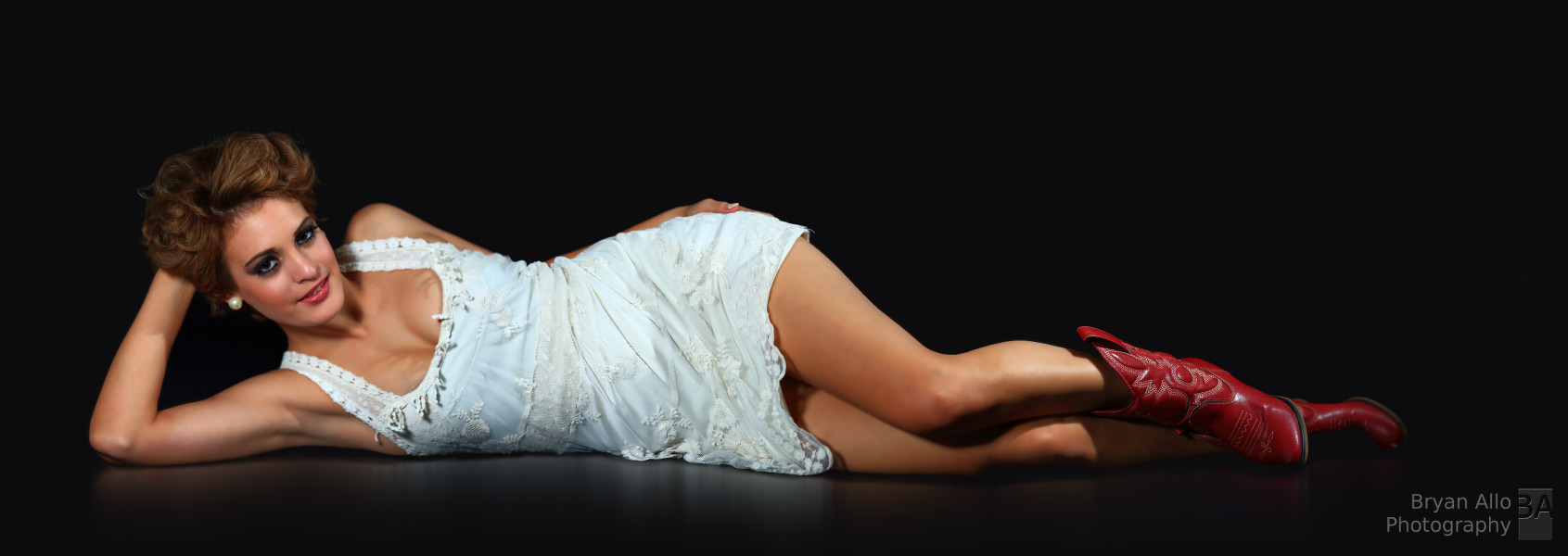
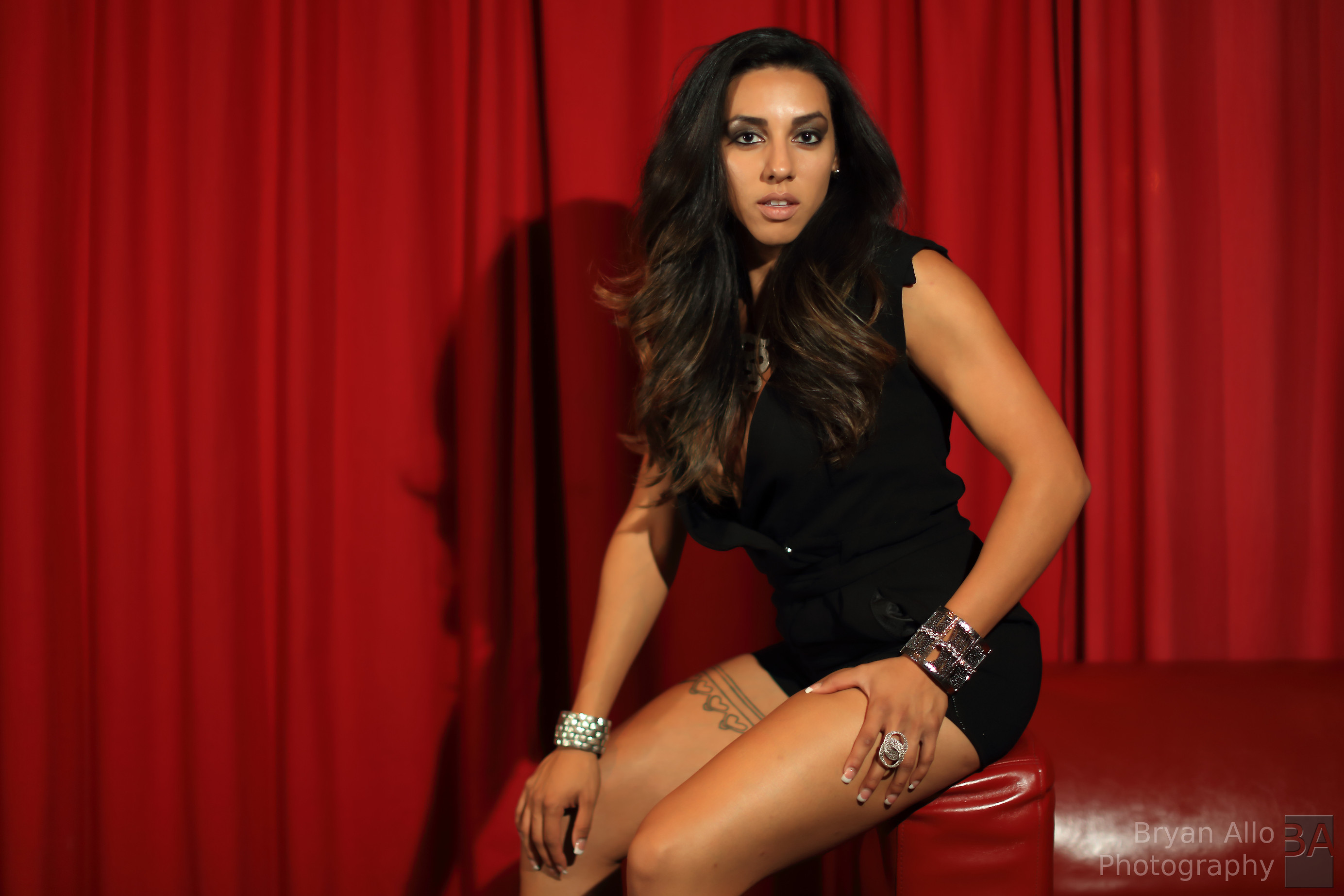
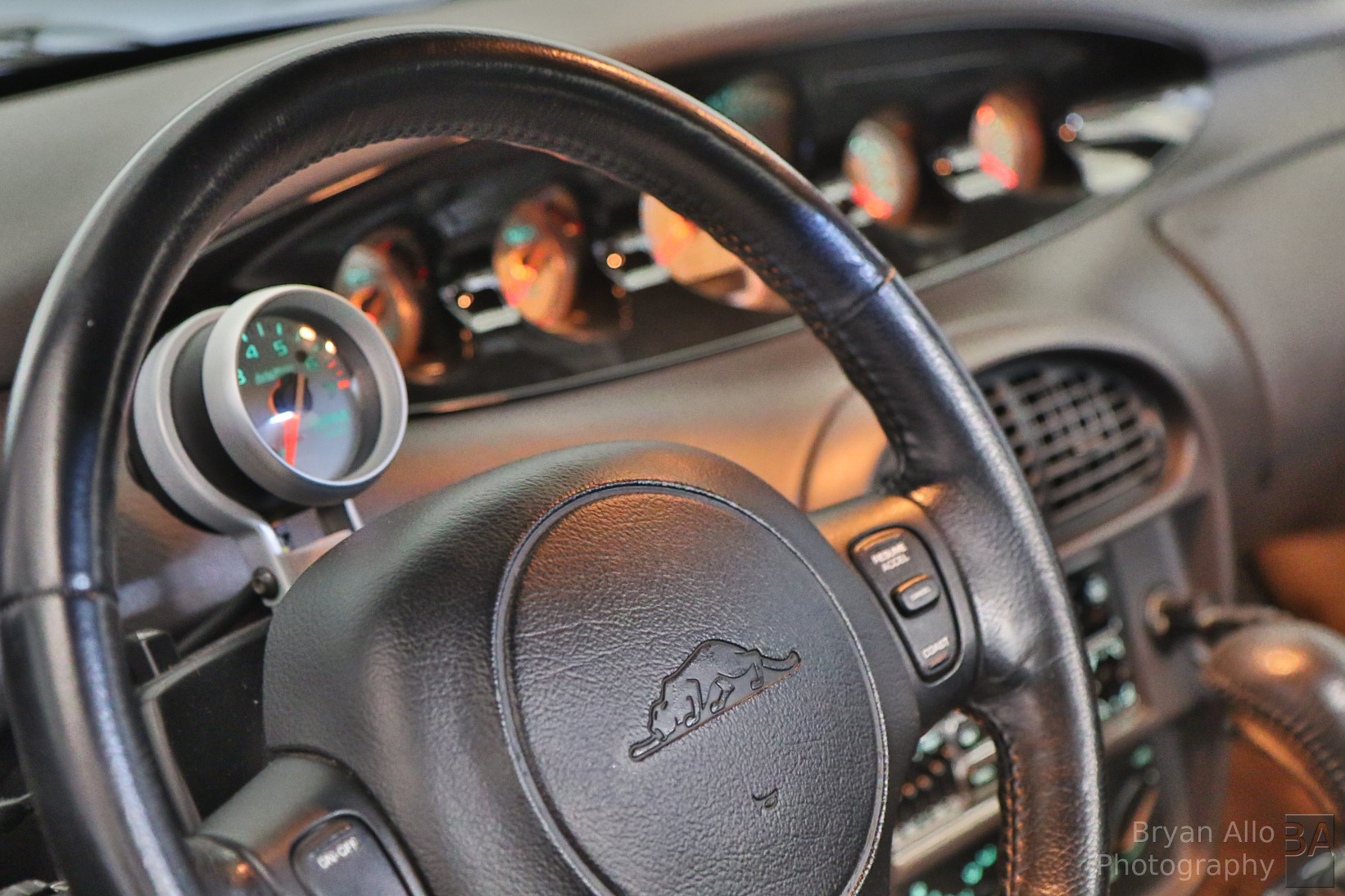
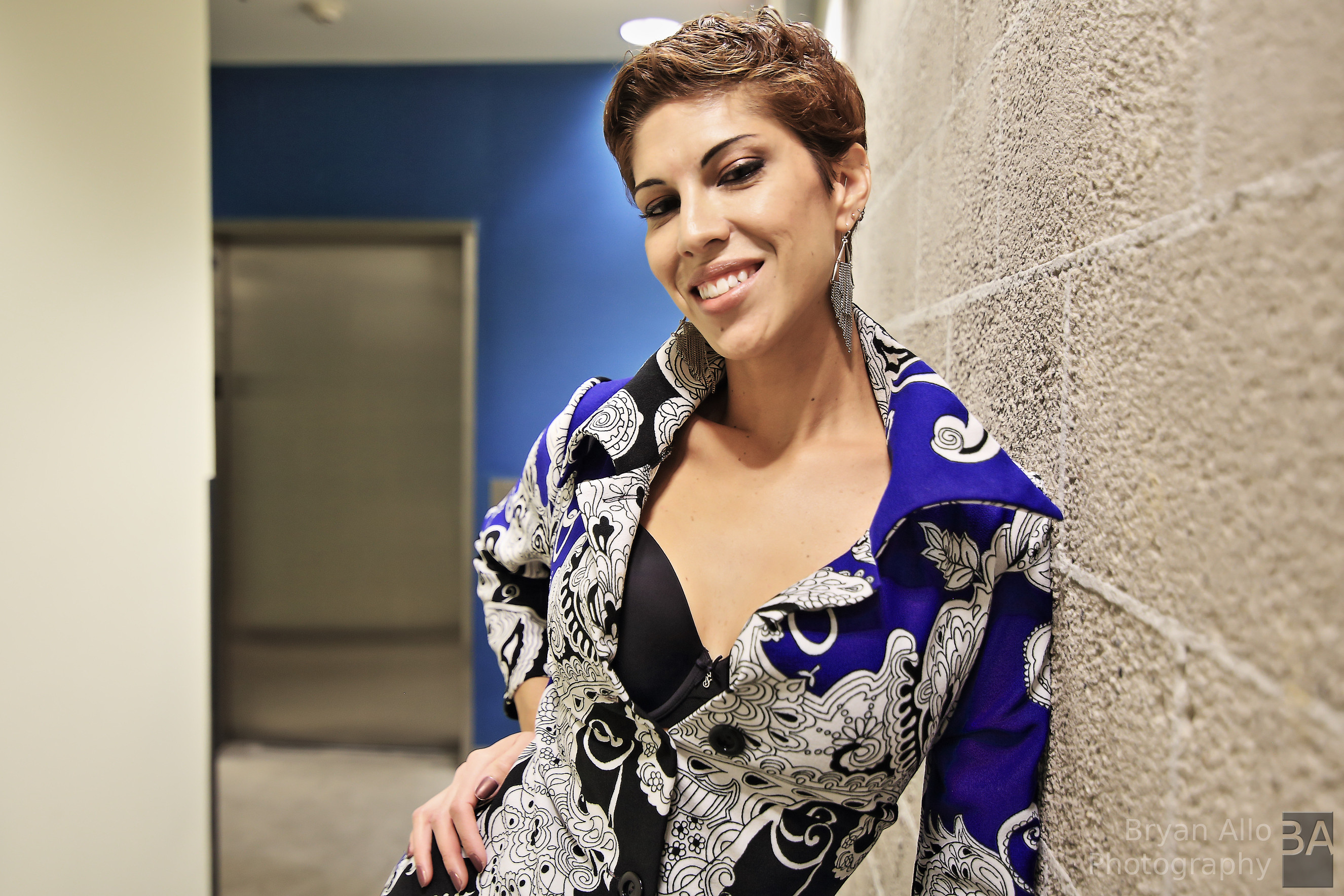
Last weekend I had the distinct pleasure of photographing Jin. I had a specific look I wanted to capture. The look was a Vintage Versace look by Hannah Be from Retrospect Vintage Fashion. She’s an amazing stylist. Jin, my model was the perfect model for the look. She came up from Los Angeles for our shoot and has a great creative sense, style and energy. Her experience in front of the lens really made all the difference as far as how much we got done in just a few short and quick hours. After giving two looks a thorough treatment we still had a little time left. She suggested we play around with some pinup looks for Valentines Day. Here they are along with a few behind the scenes shots. I didn’t put much thought or effort into getting these shots just right but thought they were cute none-the-less. I hope you enjoy them and have a happy Valentines Day.
canon 5d mark III
All posts tagged canon 5d mark III
Last week I posted about Aerial Photography: Las Vegas Sunset . This weekend I finally got around to sorting through the video footage I recorded from that adventure as well as some key shots from each segment of the trip around the strip at sunset. Without further ado, here it is. Hopefully it gives you a sense of what the experience was like and you enjoy it. Let me know what you think.
The only way to see the Las Vegas strip and city lights is from 3000 feet, strapped-in, with the doors open, at sunset. About a week ago I had the opportunity to experience this unique perspective on Sin City. After searching for a unique vantage point on the city for my ongoing collection of limited edition skyline panoramas, I decided to look into taking one of the helicopter tours. However after some research and talking to some of the folks in the business, I concluded that I would have to charter the whole helicopter for an extended period to be able to realistically get a good shot of the skyline.
This was a much more sophisticated endeavor than it seemed at first blush. For starters, a separate flight plan would have to be filed with the FAA 72hrs prior to flight time, I would have to determine where exactly I wanted to fly to, and what I wanted to photograph as much a possible. The folks at Maverick Helicopters were most helpful from the very beginning. Their agent, chief pilot and staff went the extra mile to get me up to speed on the process including fast tracking the flight plan filing and approval process with the FAA.
Our amazing pilot Mike took the time to work out all the final details of the flight, points of interest, safety procedures and local airspace. I was able to communicate some of my objectives as far as framing my shots and he took all my feedback and integrated it into is flight patterns, even when I least expected. The helicopter ride was very smooth and stable. While I had previously worked through some of the challenges of aerial photography (see my previous post Aerial Photography: Sacramento to San Francisco Bay) I encountered some new challenges.
I was only too happy to be strapped in with the door open the entire flight. This meant that I would not have to shoot through the polycarbonate windows. However what I forgot to consider was the fact that I would have a huge rotor above my head creating a downward draft the likes of a hurricane wind. The rotor draft was also not a steady stream which I could compensate for, but more of very fine, high frequency pulses that introduced a corresponding resonance through the lens and camera body. It was so powerful that even the world class Canon EF 70-200mm f/2.8L IS II lens and it’s 4 stops of image stabilization, could not cope at all. The down draft alone ensured a “keeper rate” of less than 40%.
I shot primarily with the Canon 7D Mark II and the EF-S 17-55mm f/2.8 lens. From past experience, speed and responsiveness of the camera are the most critical characteristics for aerial photography. Even then, at times I did wish I had the 1Dx on hand for some of the shots. The 7D Mark II kept a steady stream of shots coming through. In all I shot over 150GB or photo and video. I will be posting more detailed shots and video as I get through sorting and processing it all.
It was a grand experience. Even though it was also my first time experiencing a helicopter ride, I am convinced this is the only way to do it, the only way to take in Sin City, the only way to photograph it, the only way to experience it – strapped in with the doors open. It was well worth it.
I would also like to say thanks to Cindy, Joe Bishop, Jim Ogletree, Mike Martin and all the folks at Maverick helicopters for making this possible. I look forward to flying with you folks again in the future.
I definitely have a lot of catching up to do. More than half of my final cut choice images shot last year have yet to be posted or printed. While taking stock this evening I stumbled across this image from a test shoot I did with Hannah over a year ago. This shot however was one of my personal favorites and remained all but finished until this evening. I just love the way her understated beauty comes through here. The complementary styles also give it a uniqueness. Those Red Boots! When she pulled them out I thought to myself “Oh my gosh! What am I going to do with those?”.
I have learned to just go with the flow. I shot the Red Boots only after we had exhausted all her other looks. As it turned out, they were my favorite. I must credit Hannah for her sense of style. She is also an amazing hair and makeup artist. She did it all herself.
This 330 Megapixel composite image was taken in my private studio with the Canon 5D Mark III and the Canon EF 70-200mm f/2.8L IS II USM lens at 150mm, 1/125 second shutter and ISO-640. For lighting I used two Canon 430EX speedlights. One with barn doors on left and one with soft box diffuser on the right. The speedlights were set to manual at 1/32 and 1/64 respectively. I used a slightly higher ISO than usual to pick up a bit of the warmth from the halogen track lighting above. I love it when test shoots yield unexpected gems.
I definitely look forward to many more creative photo shoots with Hannah.
It’s finally ready! A few months ago I made quick weekend trip down to Los Angeles to visit my sister. I also took some time to explore the cityscape and attempt to get a good capture of the skyline at sunset. I posted a about my visit to the Griffith Observatory as well.
I quickly realized my biggest challenge would be the weather or should I say atmosphere over the city. There is a constant smog haze over the city from dawn till dusk and depending on weather conditions, it will often persist well into the night. I also packed very light for the weekend jaunt. I took just my Canon 5D Mark III, Tokina 16-28mm f/2.8, EF 24-105mm f/4L and EF 70-200mm f/2.8L IS II. I definitely wished for my 7D or 7D Mark II as I would’ve captured way more detail.
Magic hour was more like a magic minute. By the time I was done taking my shots from left to right, it was a completely different scene. I took 60 shots in all to compose 20 final HDR shots and stitched them together to give this 200 megapixel 1.5GB panorama. This image demanded especially painstaking processing because each bracket set has to be re-adjusted for color balance and exposure in addition to typical post processing. The 5D Mark III’s high dynamic range definitely came in handy here however the prime reason for the extreme disparity was also because of the 5D mark III’s slow shutter and image processing capability (compared to say the 7D Mark II). I simply could not traverse the scene fast enough. The entire panorama had to be re-composed over and over again as I slowly matched each set.
While some work remains to be done, I am pleased with the final result. The detail is staggering. I often entertain myself looking through these high resolution panoramas for the one guy taking a smoke on a balcony or the lady sitting at her dining table having dinner. Perhaps they will never know in that moment they were frozen in time and at the moment I took the shot I had no idea they were there. It is humbling…
This shot will make it to Limited Edition print. I am still not sure about the format and size. Please let me know any thoughts and feedback you may have.
Thanks for stopping by.
I was recently out with Pete from Denim Spot after one of our creative collaborations. We settled over a glass of wine at Mango’s Antro and as always, began going over the days creative endeavors, what we would have changed, what we liked and what we would like to try on our next project. Before long we happened upon a young, lady called Nicole. We both thought she had great energy, personality and attitude. It was also pretty obvious she maintained an active lifestyle and great shape. All of a sudden we were talking about trying some of the looks we did not get to shoot that day because we just did not have any models that matched the looks.
Nicole was gracious enough to be our model. Even though she did not have very much modeling experience, her personality and attitude definitely made up for it. Ironically I have found this is often more important than looks and can make or break a photo shoot/project. We shot just two looks. I definitely look forward to more photo shoots with Nicole and working with her on more creative projects as she gets more time in front of the camera.
For this shoot I used the Canon 5D Mark III. For lenses I used the Canon EF 70-200mm f/2.8L IS II USM and the EF 50mm f/1.2L. For fill lighting I used two Canon 430EX Speedlites with Photix E-TTL RF triggers. For behind the scenes shots we used the Canon 7D + EF-S 17-55mm f/2.8 IS USM.
This past weekend I took delivery of the Canon 7D Mark II. I usually research any piece of gear thoroughly before purchasing. In this case I was very confident the Canon 7D Mark II met my needs because after shooting the original 7D for a while it still meets most of my needs even after 5 years.
The 7D is one of those cameras that will either make you a better photographer or break you. It is in some ways an unforgiving platform with very little room for error. After shooting the 5D Mark III for a few years I have to say there are some things you just cannot do with a full frame system, without spending a ton of money. As time progressed I found myself wishing for an updated, zero compromise APS-C pro body. After using both, it is pretty evident that the 7D series is in fact a flagship APS-C camera, the 5D Mark III is not, that would be the 1Dx. There are a lot of important things the 5D Mark III cannot do as well the 7D. One of my biggest gripes is the 1Dx AF system that has to share a single DIGIC5 processor with all other camera functions. It results in a slower system that is very often hit or miss under the slightest dynamic scenario.
The 7D Mark II comes properly equipped in all relevant aspects. Here are my thoughts:
Resolution
The 20MP is good enough, but considering Canon probably sacrificed a little resolution for better image quality, higher dynamic range and lower noise, I am happy with the results. It is important to note that, what attracts me most about the APS-C platform is pixel densities. Consider the following approximate numbers below:
7D Mark II Sensor: 20,200,000P/333.27mmsq = 60611.5 Pixels per square mm
7D Sensor: 18,000,000P/333.27mmsq = 54010.3 Pixels per square mm
5DIII Sensor: 23,400,000P/864mmsq = 27083.33 Pixels per square mm
The 7D Mark II will capture more than twice the detail of the 5D Mark III for any given focal length, provided your lens optics can keep up. Which brings me to my next point – most lenses cannot resolve 12 or 14 megapixels unless you spend on some of the exotic high end options, megapixels are simply wasted and image quality is further compromised. I am looking forward to maximizing my EF 70-200mm f/2.8L IS II USM lens and squeezing every bit of detail out of my telescope and astrophotography exploits.
High ISO Noise
Let me preface by saying I find it completely ridiculous that anyone would buy a camera based on a feature that lets them jack-up ISO to absurd levels. Sure if you pump enough voltage through any image sensor I’m sure you can get an ISO-1000000 reading but it is completely useless! I read a lot of claims out there that are simply not true or realistic. All cameras generate noise period. Anything higher than ISO-1600 is not usable in my opinion, unless you’re just taking candid shots at a party. You just don’t have much of any dynamic range left at high ISO. With the 7D I am comfortable shooting up to ISO-400, ISO-800 in a pinch. With the 5D Mark III I just don’t go higher than ISO-1600 and usually stay lower than ISO-800 because there is just too much noise. I am happy to say the 7D Mark II sensor definitely meets and exceeds those expectations. With that said, take a look at this photo (right) taken at ISO-16,000 (sixteen thousand), while noisy, quite a bit of detail is retained and the noise is more pleasant/softer than the 7D or even the 5D Mark III at similar ISO.
Speed
The 7D Mark II is blazing fast. A real flagship body with no compromise. I thought my 7D was fast but 10fps is definitely in a class of it’s own. Handheld brackets are that much more accurate. You can capture action/motion almost as fast as your brain can signal your trigger finger. Not to mention the 1000+ shot burst mode. Make sure you have a fast CF card on hand. Don’t bother with SD cards.
Auto Focus (AF)
AF on the 7D Mark II is simply second to none. You will be hard pressed to have AF issues with this camera. The 7D’s AF was already one of the best out there but this takes it to a whole new level following in the 7D tradition with all cross-type points and dual DIGIC6 processors. The 7D Mark II update remains overpowered. I expect Canon to unlock more exciting features in future firmware updates. Also impressive is the hybrid phase detect AF in live view or video mode. It is very fast and very accurate – almost as fast as the standard AF. When autofocusing in live view you get this eery ghost-like feel as if the camera is alive as it very intuitively switches focus between your intended subjects. I suspect once folks realize what the 7D Mark II can do, it will take off for video production just like the original 7D.
Ergonomics
It feels and handles just like the original 7D. Sometimes I still think I’m shooting my 7D but someone updated the menu and added a bunch of features I used to always wish for. There is no learning curve involved. My transition to the Mark II was instant. This is truly a photographer’s camera.
HDR
One of the features I use a lot in the 5D Mark III is the in-camera HDR. I like how I can proof the final HDR image, adjust and retake the bracket shots as need. This is one of those features you never knew how much you needed it until you use it. Unfortunately the single DIGIC5 processor of the 5D Mark III is painfully slow when composing HDR and I have often missed key shots (especially at sunset). The 7D Mark II’s two DIGIC6 processors and 10fps shutter make minced meat of any HDR shot. It can snag 3 shots in less than a second an just a few seconds later you’re looking at the final HDR composition. This opens up so many possibilities.
Sample Images
Below are some quick test images. I used the EF-S 17-55mm f/2.8 IS USM lens. Again I recommend no less than this lens for your 7D Mark II. Images are tack sharp. Lens profiles come preloaded. I shot mostly in low light and high ISO (1600 and higher) to show how clean the images are and how much dynamic range still remains. The clean, low ISO shots will come as I begin taking the 7D Mark II out shooting. I shot in AV mode, wide open at f/2.8 so you may notice a shallow depth of field. All images are straight from the camera and downsized 30%. Please let me know in comments below of you’d like to see the full size images.
The 7D Mark II packs so much camera for your buck it really begs the question, why bother spending more for a 5D Mark III which honestly overall does little better and in some cases cannot keep up with the 7D Mark II. I will be grabbing this more versatile APS-C flagship camera more often than the 5D Mark III now.
For a more in depth review of this Camera I highly recommend reading Bryan Carnathan’s Canon EOS 7D Mark II Review.
I recently got a comment on my post Reader Comments – Canon 5D Mark III vs 7D from a while back. This is no doubt something that has been on my mind for a while.
Thanks for stopping by and writing Hari. I hope you are doing well buddy. It’s good to hear from you. The truth is you’ve sort of prompted me to jump the gun here as you will see from my answers to your questions.
Indeed when I wrote that post over a year ago the 7D Mark II was nowhere close to being a reality, however Canon has finally relented and released the ridiculously anticipated 7D Mark II. Before I get carried away, let me try to answer your questions.
- Have you managed to use one as yet?
Not yet. I should be getting mine this weekend and plan on doing a quick post about my thoughts. - What are your thoughts?
Well obviously I liked the specs enough to go ahead and pre-order one. It looks like a solid update from Canon that makes the 7D series even more of the photographer’s camera. I am satisfied with how well equipped it is even though I did not get everything I wished for. See my post Canon 7D Mark II – 10 features I would like to see. - Is it a significant step up from the 7D?
Yes. I think it is. Especially in the areas that matter most to active photographers. Gear heads, spec sheet nuts and armchair photographers will not get their high megapixel fix. - Is it worth the upgrade?
It all depends on how much you are going to get out of it. A lot of 7D owners never realized it’s full potential. If you have the money to spend then yes. If you don’t already own top notch lenses like the EF-S 17-55mm f/2.8 IS USM and the EF 70-200mm f/2.8L II IS USM then I would definitely urge you to get those first. Those would arguably go a very long way to upgrade your 7D than spending on a brand new 7D Mark II body. Definitely don’t bother with the kit lens. It is just not worth it in my opinion. Canon should really consider shipping the 7D Mark II with the 17-55mm f/2.8L or the 16-35mm f/4L and charge extra. A cheap consumer grade EF-S lens is a terrible compromise for a camera like the 7D.
Several Friday evenings ago I had some free time so I decided to get out a little. My plan was to visit my good friend Pete at Denim Spot downtown. He’s very much involved in the local fashion scene and is always exploring creative ideas and projects. On this evening he was collaborating with Hanna Be of Retrospect Vintage Fashion a local fashion designer with a very interesting take on retro fashions and style. They setup a live shop window mannequin set. It’s just one of many cool ideas I’ve seen them come up with.
I planned on stopping by and getting a few shots of the action before moving on to a Friday night photo outing all over downtown. I never made it passed Denim Spot. I ended up shooting various looks and indulging in creative and fashionable atmosphere. It was tons of fun and a very rewarding way to kill an otherwise lazy Friday night.
I really wasn’t ideally equipped for a fashion shoot. I packed just my Canon 5D Mark III and the Tokina 16-28mm f/2.8 lens. I expected to take mostly casual night action shots both in tight bar/restaurant settings as well street corners. What made this fashion shoot particularly interesting was that I had to make do with what I had – an ultra wide lens.
The Tokina was surprisingly good. Since I had no flash, I shot wide open at f/2.8 to capture as much ambient light as possible. The 5D3 also permitted a much higher ISO so I could shoot handheld as I did not pack a tripod. I was even able to shoot HDR bracket shots hand held under very challenging lighting conditions. If you take a closer look at the photo to the left, you will notice this lens still has an impressively shallow depth of field for an ultra wide angle. A great benefit of having the ultra wide angle lens was that I was able to work in the small set spaces at the boutique and still capture full body shots showcasing the styles and looks. The Tokina 16-28mm is rectilinear, much like it’s more popular APS-C sibling the 11-16mm f/2.8 and manages to render surprisingly straight perspectives even at it’s widest.
Below are some shots from the evening of fashion photography and fun.
I tried to capture the previous Blood Moon earlier this year in April, however it was not a very fulfilling exercise. There was only so much I could do with the Canon EF 70-200mm f/2.8L IS II USM lens, even with the EF 2x Extender III attached and even with the 7D’s crop factor. The shots I got weren’t very pleasing and in my mind, not even worth writing a post about.
Since then I acquired a fully assembled set of astrophotography gear and accessories. I discussed this a little in previous posts Astrophotography: The journey begins and Astrophotography: Solar Observation.
Up until last night I had been dreading the steep learning curve and painful process involved in learning to properly align a German Equatorial Mount with computerized tracking. The Blood Moon was a good reason to dive into it and see if I could figure it out. I got an early start. My first setup and calibration took at least an hour and I got a solid track on the moon.
However the moon had not yet crossed the sky and when it did I had to re align the telescope mount. My second alignment took half the time but was less than perfect and I still had some drift. It was still small enough for me to compensate for in post production.
With tracking somewhat sorted out, I had another challenge of managing the wild swings in exposures throughout the eclipse. You will notice I had to segment the time lapse as I made adjustments. I used spot metering, shutter priority mode with auto ISO throughout most of the sequence and stepped my shutter exposure as the eclipse progressed, switching to manual mode briefly at the peak of the eclipse. As you can see I did not place much emphasis on image quality. Since it was a time lapse, I also set a higher maximum ISO as the clarity and quality of the individual frame is not as important as the consistency of the sequence from frame-to-frame.
I hope you enjoy this time lapse. Please feel free to share your thoughts, ideas, suggestions and experiences, especially with GE mounts and photography.


Hi Bryan,
Hope you are well brother!…. Following on from my comment above and our brief yet insightful discussion on the merits of making the step up to the 5D3…I was hoping to pick your brains again if I may?
In your response to my first comment you alluded to the fact that you didn’t think they would release a new flagship APS-C SLR any time soon the 7D2 is now here…
My questions are:
1) Have you managed to use one as yet?
2) What are your thoughts?
3) Is it a significant step up from the 7D?
4) is it worth the upgrade?
My wife has given me a variety of options for a 30th birthday present and I am stuck yet again so I thought I would drop in for some insight and wisdom 🙂
Regards
Hari