PhotoSnob

Photography by Bryan Allo

  • About
  • Contact

Great Falls Park

Posted by Snob on August 21, 2014
Posted in: canon 5D mark III, Landscape, Nature, Travel, Uncategorized. Tagged: canon 5d mark III, canon 70-200 f/2.8L IS II, Great Falls Park, Potomac River. Leave a comment
Great Falls Park

Great Falls Park

This weekend I had the opportunity to visit friends and family in Washington DC. I asked for a scenic location and being into photography himself, my brother took me to visit Great Falls Park. It was a very nice and leisurely stroll. We visited the Maryland side of the river. The trail/boardwalk ends right at this view. It is a very beautiful sight. We arrived some time before sunset. It was a relatively bright a clear sky so I gave some thought to how I wanted to capture it’s beauty.

I used the 5D mark III for this shot. After a few wide angle test shots with the Tokina 16-28mm f/2.8, I swapped lenses to the Canon 70-200mm f/2.8 IS II and began my panoramic shots. Even though it was close to sunset, because of the very bright light and clear skies (non dispersed/diffused light) it was a challenge to capture all the detail without using High Dynamic Range (HDR) bracketed composite shots. To compensate for this and capture the defining motion of the water I used a 10-stop Neutral Density (ND) filter. I also stopped my aperture down to f/11 to increase my depth of field and shot in AV mode to compensate for the varying cloud cover and shadows across the frame. The result is this 54 Megapixel HDR panoramic.

You can read more about Great Falls Park here.

I rarely find myself in front of the camera so it’s hard to tell I was ever there. Here are a few shots my brother took of me. I didn’t realize I was a bit of a nut until now…LOL. Thanks Chris!

GreatFalls1
Great Falls

Share this:

  • Tweet
  • More
  • Click to share on Reddit (Opens in new window) Reddit
  • Share on Tumblr
Like Loading...

Denver Skyline

Posted by Snob on August 1, 2014
Posted in: Architecture, canon 5D mark III, Cityscapes, Landscape, Travel. Tagged: canon 5d mark III, canon 70-200 f/2.8L IS II, city, cityscapes, Denver, skyline, sunset. 2 Comments
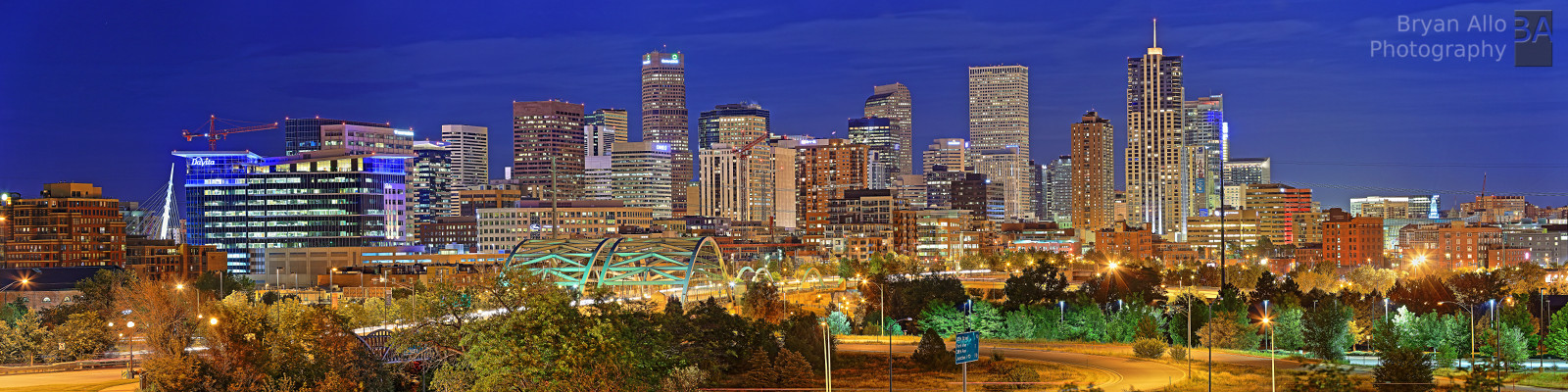
Denver CO Skyline at sunset

Denver CO Skyline at sunset

Almost a year ago I had to commute to Denver every week for close to two months in the fall. It was an interesting experience. Prior to that I had never been to Denver. My first week was a bit of an eye opener. Out there in the middle of Colorado’s vast expanse and emptiness lies this large sprawling city a few minutes from the Rockies. The city is bubbling with culture, diversity and enterprise. It has a laid back, very progressive feel. The citizens of Denver have invested heavily in their city and it shows. It is very beautiful and mostly well thought out. There is almost always some kind of major event or festival in this culture hub.

Naturally by my second week I was hauling all my camera gear with me. My camera bag barely passes as carry-on. I spent my evenings tirelessly scouting the city for that perfect view and perspective. I believe every city has at least a few. I am happy say I did indeed find a few of them and will be making them available in limited edition prints. Although the city is mostly very calm quiet and safe, my exploits did take me though some rough turns and alleys that had me looking over my shoulder all night. I will most definitely be returning to Denver again in the future to explore more of this beautiful state.

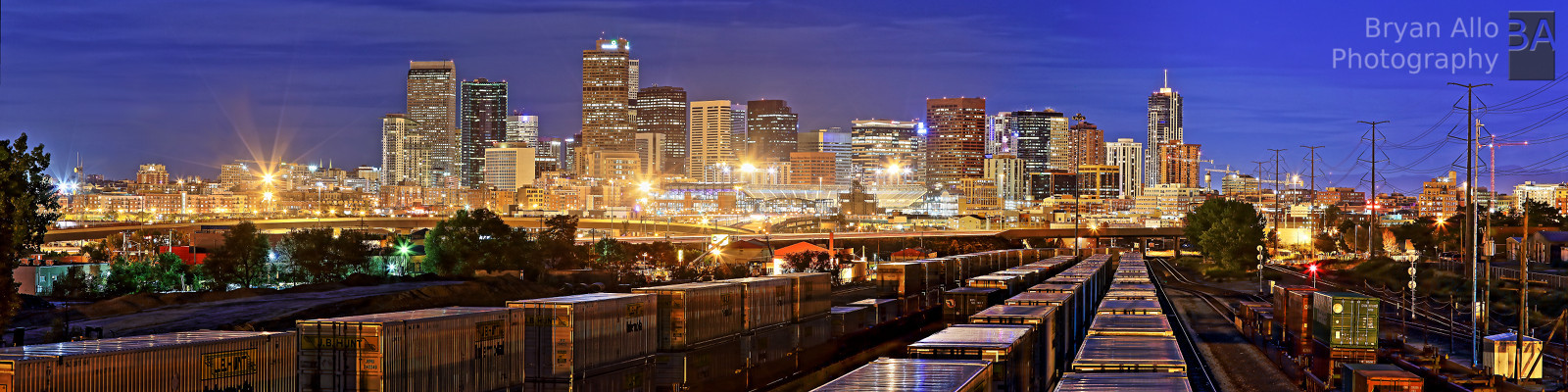
Denver CO

Denver CO Skyline via rail yards after sunset

Share this:

  • Tweet
  • More
  • Click to share on Reddit (Opens in new window) Reddit
  • Share on Tumblr
Like Loading...

Point Arena Lighthouse

Posted by Snob on July 29, 2014
Posted in: Architecture, Art, Landscape, Nature, Travel. Tagged: canon 5d mark III, canon 70-200 f/2.8L IS II, Point Arena Lighthouse. 1 Comment
Point Arena Lighthouse

Point Arena Lighthouse

Point Arena Lighthouse is one of the views that make any trip up the North Coast of California worth the while. It is absolutely breathtaking at all times of the day. This trip was more of a scouting exercise to determine what subjects I wanted to return to and give a full treatment. I will be making a trip back up the north coast specifically for this view. The above is a down sampled image if a 300 Megapixel HDR panorama.

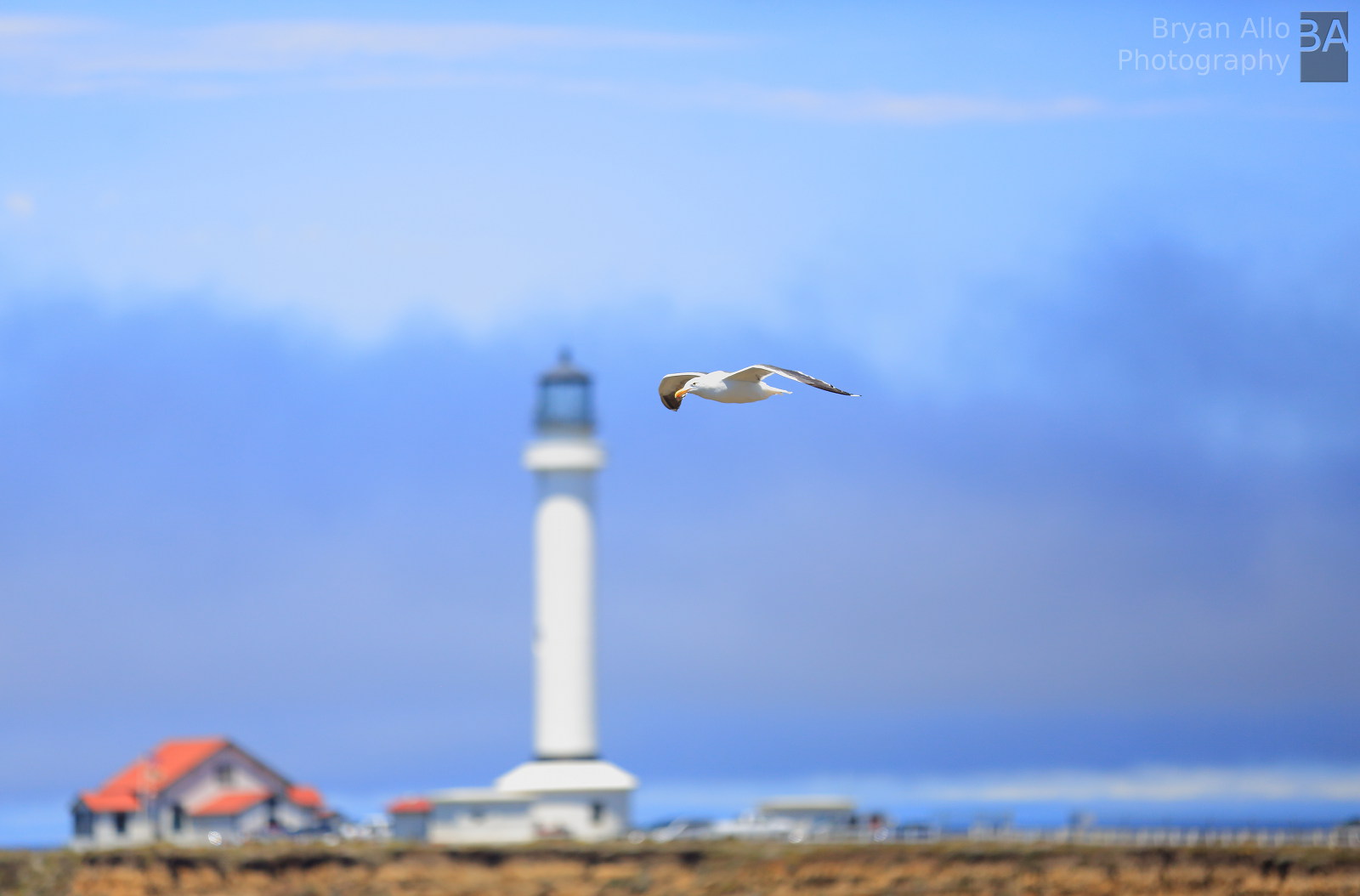
I only allowed myself about an hour to explore this location but after taking my test/scouting shots I couldn’t help but notice the birds swooping down between my position and the lighthouse. I thought just for fun I would try and see if I could catch one of them perfectly positioned with the lighthouse in the background. I set the 5D Mark III to AV mode, AF to center zone, AI Servo for tracking, ISO-400 to ISO-800 for maximum shutter speed. It turned out to be harder than I thought but I did get a few fairly successful shots. Here is one of them. Under these more than ideal lighting conditions the 5D Mark III definitely kept up easily with half the shots. I still missed the 7D’s amazing AF tracking capabilities however. Still this is a very powerful lens and body combination.

For this location I shot with the Canon 5D Mark III and the Canon EF 70-200mm f/2.8L IS II USM. For the second half of this session I added the EF 2X extender III.

Point Arena bird in flight

Point Arena bird in flight

Share this:

  • Tweet
  • More
  • Click to share on Reddit (Opens in new window) Reddit
  • Share on Tumblr
Like Loading...

Astrophotography: Star Trails

Posted by Snob on July 25, 2014
Posted in: Astrophotography, canon 5D mark III, Nature. Tagged: astrophotography, canon 5d mark III, ISO, Mendocino, northern coast of California, star trails, tokina 16-28mm f/2.8. 3 Comments
Star Trails along the northern coast of California

Star Trails along the northern coast of California

Star trails are a must do, during any astrophotography session. They are perhaps some of the easiest shots to obtain. Simply point your camera towards Polaris (the north star), set your ISO as low as you can go (usually ISO-100) and open your shutter for as long as you can – the longer the better.

I took this shot with the 5D Mark III + Tokina 16-28mm f/2.8 @16mm, f/2.8, ISO-100 and a 30 minute exposure. It’s fascinating to see and experience. I topped my stargazing excursion with this shot. If you notice any off-color specs, those are hot pixels. As a result of the ultra long exposure, even at low ISO, the sensor will heat up and introduce this type of noise.

The image was not edited. Processing was done with Canon DPP and some color contrast enhancing in GIMP.

Share this:

  • Tweet
  • More
  • Click to share on Reddit (Opens in new window) Reddit
  • Share on Tumblr
Like Loading...

Astrophotography: The Milky Way Galaxy

Posted by Snob on July 23, 2014
Posted in: Astrophotography, canon 5D mark III, Nature. Tagged: astrophotography, california, canon 5d mark III, galaxy, light pollution, milky way, Milky Way Galaxy, tokina 16-28mm f/2.8. 2 Comments
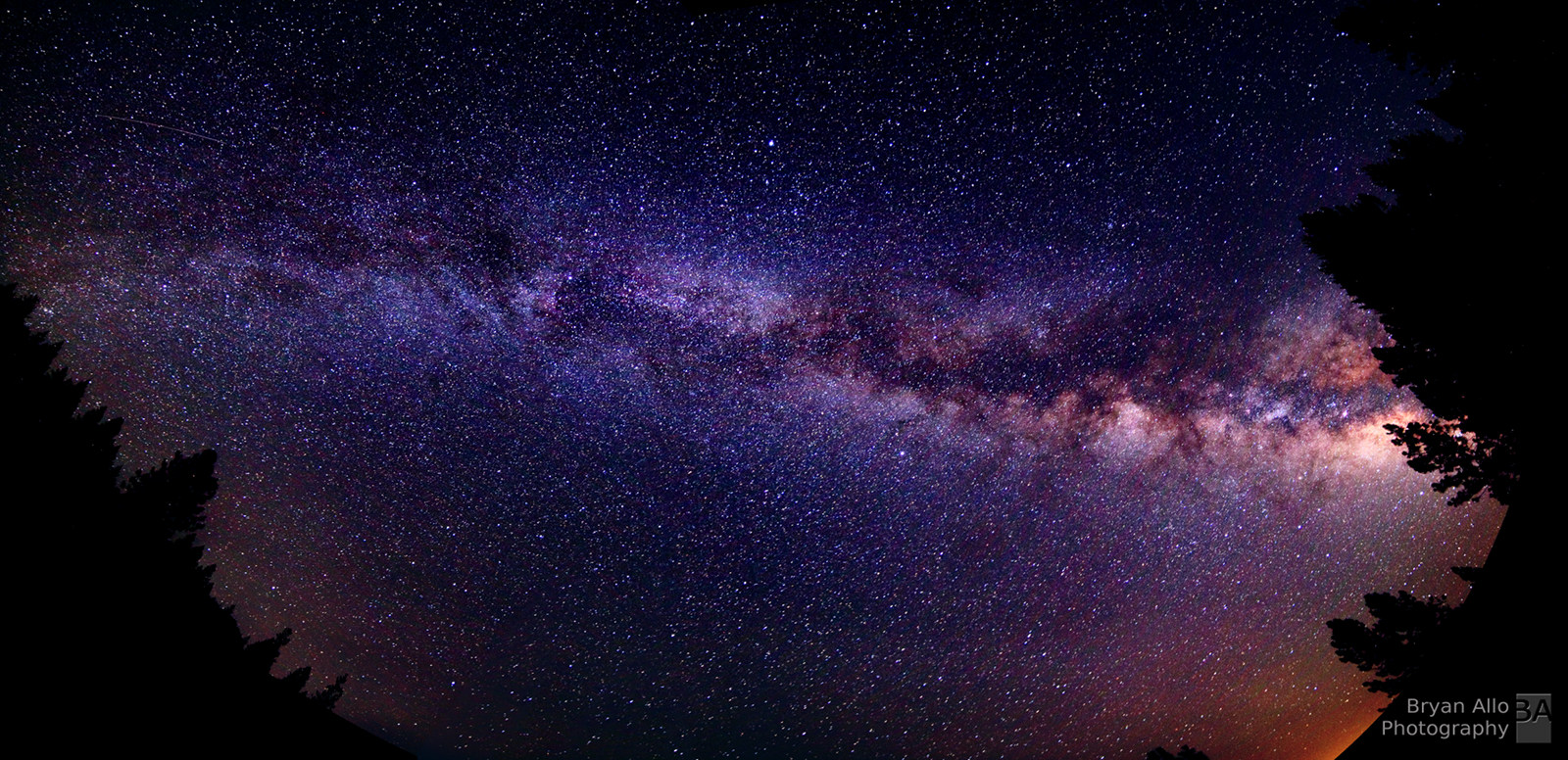
Milky Way Galaxy dust lanes as seen from the north coast of California.

Milky Way Galaxy dust lanes as seen from the north coast of California.

This last weekend I had some down time and took off for the north coast to explore and visit friends. Anyone familiar with that part of California must also know how remote some parts can be. The upside is there is almost no light pollution. Being in the heart of summer also meant I could stay comfortably outside well after dark. Once your eyes adjust to the pitch black night, all the stars reveal themselves and after about 20 minutes you can see the all the Milky Way galaxy dust lanes with the naked eye.

I have always wanted to explore the wider view as well but never really had such an opportunity. One look up at the sky and I couldn’t help but think this was going to be easy to capture with my Canon 5D Mark III – as it usually captures at least twice what I can see. I figured I could stack a few wide shots and be done.

In anticipation of this trip I added a new lens to my kit, the Tokina 16-28mm f/2.8. I will post more on that later. I am very satisfied with how it performed. The shot above is a panoramic of several shots at 16mm, f/2.8, ISO-1600 and 30 seconds. I also shot dark frames (with the cap on). However once I got back home and started processing the RAW files I realized I did not need the dark frames, nor did I need to stack the shots. I am impressed by the high dynamic range of the 5D Mark III RAW image data.

The image processing was done in Canon DPP. The panorama was stitched with PTGui. The final editing and prep was done in GIMP. This was where most of the work was done, mostly with light curves and masks to limit the effects of light pollution from the San Francisco Bay – even though we were several hundred miles north, the effects were still noticeable – see lower right corner of sky.

Share this:

  • Tweet
  • More
  • Click to share on Reddit (Opens in new window) Reddit
  • Share on Tumblr
Like Loading...

Astrophotography: Solar Observation

Posted by Snob on July 5, 2014
Posted in: Astrophotography. Tagged: astrophotography, Canon 7D, orion, Solar filter, Sun, telescope, The Sun. Leave a comment
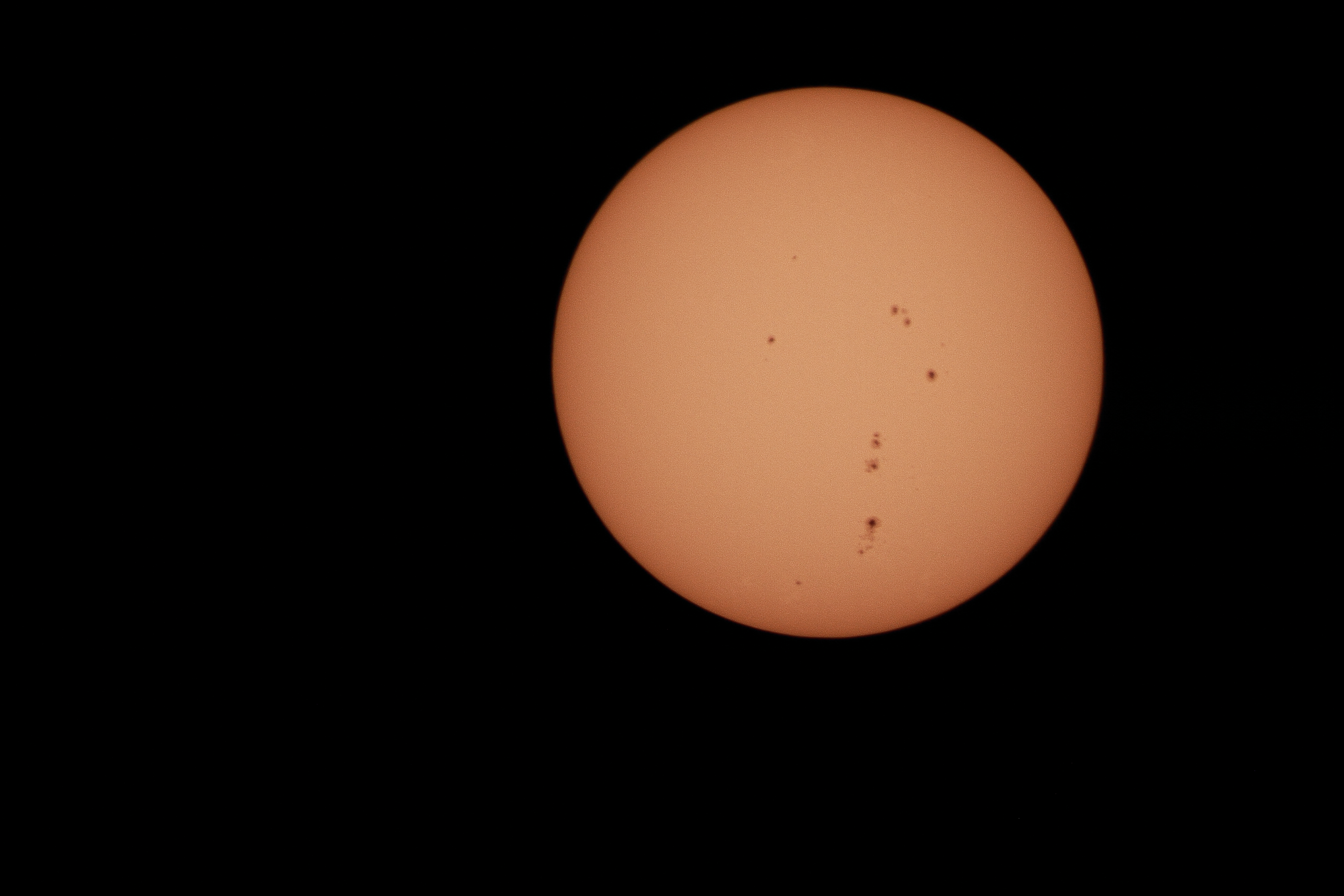
Sun shot 1

Sun shot 1 – full resolution

As usual this July 4th weekend we had several fires in the area so the skies have been particularly hazy which definitely does not help for any kind of viewing of celestial objects. However this morning I remembered the one object that would need more than hazy skies to obscure was available for observation: The Sun.

After my DSLR focuser support rail modification the two next items high on my list were an electronic focuser and a solar observation filter for the telescope. Today I decided it was time to put them both to work after installing them late this past week. Getting a shot of the sun is harder to acomplish than I thought. My spotting scope does not have a solar filter so I could not aim the telescope. after trying unsuccessfully for about 15 minutes, I took the cover off the spotting scope and placed the back of my hand behind the eyepiece to see if I could bring the sun within the field of view. Luckily I did not burn my hand but do not try this at home…LOL.

Once in range I fiddled around with the fine adjustments on the mount controller until the sun came into view in the eyepiece. The filter is so dark, you cannot see anything until the sun “magically” appears in view. The electronic focuser is completely indispensable, especially with the heavy DSLR attached. The rail works so well you don’t notice it. It will remain on the telescope permanently (Orion should just make all refractors with a rail). I quickly swapped the 7D back in place of the eyepiece and used live view to fine focus and center the sun. I used a thick dark towel over my head and the camera in order to view the camera screen and get as clear a shot as possible. I will most likely get some kind of solar foil blanket to make this process easier. As a result my focus was not spot on, but good enough for a first run. From that point on it was just a matter of taking multiple shots at various exposures.

The 7D was set to manual, AWB, ISO-100, and shutter speeds ranged from 1/2000 to 1/8000 second. Using the RAW files I was able to see the ripples on the surface. They may look like noise but it’s just the enhanced contrast of the surface ripples (note, noise would show up in the dark area of the shot). If anyone has any ideas or tips on how to better process and filter the RAW files please drop a comment below. I’m new to this stuff and I know there are ways to enhance and extract features that would otherwise go unnoticed.

The entire telescope and camera assembly were starting to bake in the sun. In a rush to take it indoors, I forgot to take a shot with the Canon EF 2X Extender. I will post those next time I get around to it. You can read more interesting facts about the Sun here.

Thanks for stopping by.

Solar filter
Solar filter
Electronic focuser
Electronic focuser
Solar observation setup
Sun shot 2 - full resolution
Sun shot 2 – full resolution


Share this:

  • Tweet
  • More
  • Click to share on Reddit (Opens in new window) Reddit
  • Share on Tumblr
Like Loading...

Astrophotography: The journey begins.

Posted by Snob on July 1, 2014
Posted in: Astrophotography. Tagged: astrophotography, Canon 7D, Canon EF 2x Extender, celestron, DIY, orion, refractor telescope, refractor telescopes, telescope. 2 Comments
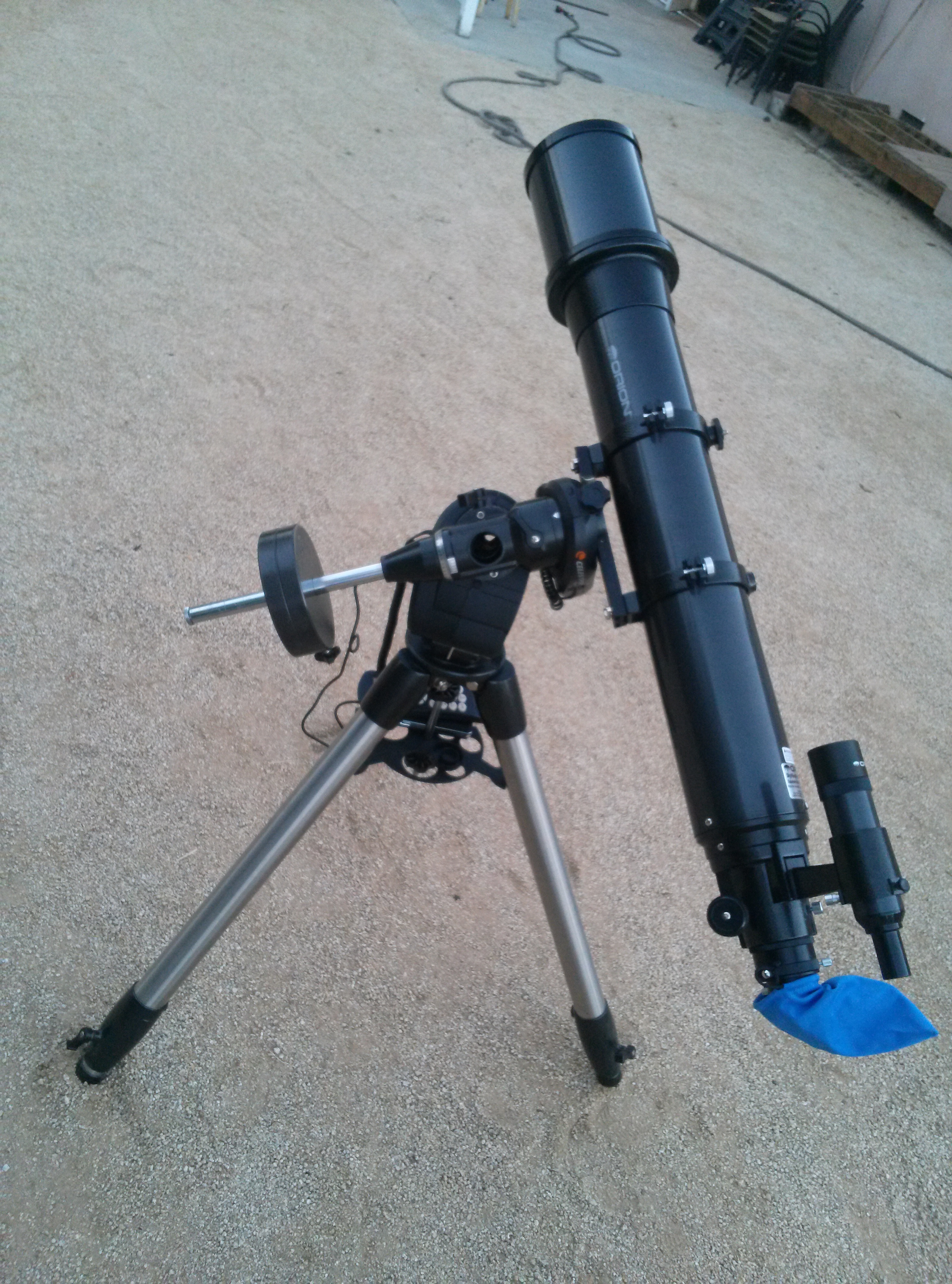
Orion SkyView Pro 120mm EQ 1000mm on Celestron Advanced GT German Equatorial Mount.

Orion SkyView Pro 120mm EQ 1000mm on Celestron Advanced GT German Equatorial Mount.

For quite some time now I have had my heart set on taking the life-long journey into the world of astrophotography. I began studying and researching a few years ago. My initial goal was not to learn all there is to know out there but to simply understand what it would take to successfully photograph DSOs (Deep Space Objects). My whole life I have always read and consumed any media I could find on the subject of astronomy, astrophysics and the science of celestial bodies. Growing up in Cameroon, West Africa, a telescope was definitely a very far fetched fantasy so this is an especially significant experience for me. I had previously never looked through a telescope until about a week ago.

I learned enough over the past year to know that for astrophotography, I would need a really good refractor telescope with an aperture of at least 80mm and more importanly I would need a very good german equatorial mount, ideally with GoTo and tracking capabilities. Then I began researching refractors and found out that I would prefer a triplet or at least an apochromatic refractor or doublet. I also concluded that the focal length of most 80mm refractors (under 500mm) did not justify the expense considering I already had a really good 200mm f/2.8 lens and a 2x extender which when combined with my 7D crop factor gave me an effective focal length which was comparable.

So that left me with only refractor telescopes with an aperture of 120mm or larger. Needless to say I quickly saw the expense climbing beyond the stratosphere. So I started shopping the used market. I recently stumbled upon a gentleman who was selling his complete 120mm Orion refractor setup, complete with Celestron Advanced GT mount and auto guide CCD camera scope as well as an assortment of eyepieces, essential accessories and Canon EOS DSLR adapter.

There is so very much to learn. This is an opportunity for me to gain a firm grasp of the fundamentals of astrophotography and astronomy in general without getting too heavily invested. I was able to see Saturn and it’s rings within minutes of setting it up and a few more minutes later I was able to attach my 7D and snag a few really blurry shots. The weight of the DSLR on the focuser made it impossible to acquire and maintain focus. So the first order of business was to modify the telescope mount to accommodate the added weight and relieve the focuser of the stresses.

You can see photos below of a sliding rail I rigged together with some extra aluminum tubing I had left over from my DIY time lapse track and dolly . This vastly improved stability and focusing in my quick test moon shot. I just ordered an electric focusing motor which should eliminate the residual shake when trying to focus. I’m excited!

Focuser camera support rail and carriage modification.
Telescope next to the Canon EF 70-200mm f/2.8 IS II for size comparison.
Focuser camera rail and carriage.

Share this:

  • Tweet
  • More
  • Click to share on Reddit (Opens in new window) Reddit
  • Share on Tumblr
Like Loading...

Reader Comments – Canon 5D Mark III vs 7D

Posted by Snob on May 15, 2014
Posted in: Camera, canon 5D mark III, Reader Comments, Reviews. Tagged: 5d mark iii, advice, Canon 5D, canon 5d mark III, Canon 5D Mark III vs 7D, Canon 7D, comments, device camera, Nikon D800, Photography, pixel density, review, shooting the moon. 4 Comments

I recently got a question from a reader regarding my post titled Canon 5D Mark III vs 7D. Rather than let these conversations get buried in the comments section I will do my best to reply as a new post.

That post has been the subject of much debate, many questions and discussions. However I would like to keep this post focused on this question I received, because I think it is representative of the question on a lot of people’s minds when they approach the subject with me.

FROM ZAMANI:

Hi Bryan, great post. I own a 5D2 and have been using that for my wedding and portraiture but was considering getting the 7d or the 5d3 for action work. I have to admit I was biased towards the 5D3 based on everything I read so I rented the 7D to try it myself with a 200mm 2.8 prime and it was terribly sharp and accurate with the football game I shot. I do prefer the shallower and slightly more pleasing depth of field I get from full frame cameras though.

Im wondering what your feelings are on the Nikon D800 and the D600 and their 36 and 24 megapixel offerings as well as the crop factor that those cameras offer in DX mode. I am a Canon shooter but have considered purchasing a Nikon D800 for those features.

Thanks Zamani [and all who’ve asked similar questions].

The sort version of this post is, for any kind of action, I would pick the 7D over the 5D3 any day, all day. Believe it or not 6fps on the 5D3 is a deal breaker. Compared to the 8fps on the 7D, that extra 2fps translates into more than twice the usable shots and a 100+% success rate over the 5D3. In practice, the AF on the 7D is faster and much better suited for action. The 7D’s Dual processor architecture with one processor dedicated to AF guarantees your shot every time. The 5D Mark III is hit-or-miss as soon as your subject as much as starts dancing around – there go half your shots. Your 5D3 shots may be at lower ISO, they may have less noise than the 7D shots, they may have higher dynamic range, but what good are they if they are out of focus or simply missed that split second magical moment you wanted to capture? The only camera system that does it better than the 7D is the 1Dx. So unless you have $7000 to drop on a 1Dx, your best bet is the 7D which is amazingly still a bargain till this day. Buy a refurbished or used one for under $1000. They are built like a tank and are virtually indestructible. Here’s a fun video by DigitalRev that illustrates this:

http://youtu.be/RCT-YMgjm9k
Now as for the D800 it appears Nikon essentially took an APS-C sensor and scaled it up to the size of a full frame sensor. Let’s take a look at the approximate numbers for pixel density below:
  • Canon 5D Mark III Sensor: 23,400,000P/864mmsq = 27083.33 Pixels / mm squared
  • Canon 7D Sensor: 19,000,000P/333.27mmsq = 57010.8 Pixels / mm squared
  • Nikon D800: 36,000,000/864mmsq = 41666.7 Pixels / mm squared (approximations)
  • Nikon D600: 24,000,000/864mmsq = 27777.7 Pixels / mm squared (approximations)

So the D800 sensor has a pixel density somewhere between the 5D3 and the 7D. The D600 has a pixel density almost identical to the 5D3. I would expect the D600 will yield an image with quality more comparable to the 5D3 and the D800 will yield slightly better than that from a 7D assuming they all used the same optics. However I have always said, in practice the sensor almost doesn’t matter anymore these days because the technology is just that good regardless of the manufacturer. The D800 will suffer a bit from some of the challenges 7D owners faced when it was released – the higher pixel densities will easily reveal more of the optical flaws in every lens from chromatic aberration to distortion to focus inconsistencies. I recall a lot of 7D owners complaining about having to adjust their focus when in fact this probably had to do with the flaws in the optics of their lenses.

If you are planning on acquiring a camera system like the D800 or 7D, then I suggest you plan on acquiring the best possible lenses that money can buy – Canon L Mark-II revision lenses or the Nikon equivalents if you go with a D800. The 5D3 or D600 will be more forgiving and yield crisp images with less than premium lenses.
Now I must say I have never used the D800 and perhaps I should get one and try it out. However the only reason I would not go for a camera system like the D800 has to do not with image quality or whatever else the pixel-peepers whine about. It has to do with other features I actually consider more important to everyday shooting. The Nikon interface has always seemed too cumbersome compared to Canon’s 1-click layout. 4fps is just not good enough. It seems Nikon made this compromise in exchange for higher megapixels. 4fps is digital rebel speed which while good enough for most is painfully slow for anyone half serious about photography. Unless your D800 is pretty much only for shooting landscapes and other stills, this will be a big issue over time. I can barely tolerate the 6fps of my 5D3, but then again I may have been spoiled by the 7D.
I’m sure the D800 is a great camera no doubt. The fact is few need 36MP images and when I need 36MP or more, I simply pan my scene and extract more specific detail and clarity than can be achieved in one shot. I do this all the time with my 5D3 and 7D. I really don’t think there is a burning need for high MP bodies as much as the need for sharper higher resolution optics. The D800 might be a more economical proposition for someone trying to break into the Medium Format (Hasselblad) commercial domain, but not much importance in the traditional SLR domain. The D800 feels like the DSLR that wanted to be a Hasselblad and in so doing, forgot how to be a DSLR. I like that Canon consistently takes notice of these important details. They revised their top lens optics soon after the 7D hit the market as well as dramatically improved the usability and features in their cameras. Each new Canon body I’ve bought has made my life as photographer much easier and much more successful to that end. There are many reasons the 5D3 still gets top ratings and it’s has little to do with Megapixels.
So I get it. Canon is the 800 pound gorilla and Nikon felt they need to set themselves apart with the D800 but I feel in doing so they missed some very important details that matter to those who actually use these pro cameras as tools and not trophies. I just don’t think it was a good gamble.
The biggest reason I chose to invest in Canon is for the L-lenses. I buy one, it’s built to serve me the rest of my life. I’ll probably own 10-20 bodies over that period so I don’t base my choices on what bodies are currently on the market.
I hope this answered your question.
Cheers.

Share this:

  • Tweet
  • More
  • Click to share on Reddit (Opens in new window) Reddit
  • Share on Tumblr
Like Loading...

Tattoo Series – Curators of Art

Posted by Snob on May 8, 2014
Posted in: Art, Entertainment, Fashion, Limited, models, studio. Tagged: art, canon 430EX, canon 5d mark III, canon 70-200 f/2.8L IS II, fashion, models, skin, tattoo, Tattoos. 3 Comments

I am pleased to finally and formally release the first limited print from a photographic series I have been working on for over a year now. Curators of Art is a pure, unfiltered look at fine art quality tattoo art work and the people who choose to collect and wear their art. It has been a fun, exciting and enlightening journey. I am not sure when work on the Tattoo Series will be completed or whether it will ever be for that matter but I will likely continue working on it through this summer.

The first limited print of awesomeness I am making available is titled Wild Things. You can keep tabs on all future releases from this series on the link above to the Tattoo Series page.

Limited Tattoo Series - Wild Things - 22 x 48 inches

Limited Tattoo Series – Wild Things – 22 x 48 inches

I have posted before about some (but not all) of the photo shoots I did as part of this series. Here are some of them:

  • Photo shoot with Holly
  • Photo shoot with Naomi
  • Girl with the Phoenix Tattoo

Share this:

  • Tweet
  • More
  • Click to share on Reddit (Opens in new window) Reddit
  • Share on Tumblr
Like Loading...

Mono Lake, Death Valley

Posted by Snob on February 27, 2014
Posted in: Art, Landscape, Nature. Tagged: canon 5d mark III, Canon 7D, death valley, Mono lake, travel. Leave a comment

Mono Lake Sunset over the Sierras

Mono Lake Sunset over the Sierras [limited edition print]

It’s taken me almost a year to post about this adventure. Almost a year ago I set out to explore Dealth Valley. I had some downtime so I set aside five days for a trip through Death Valley. Leaving on a rainy Thursday night, I packed up enough food supplies and survival gear to keep me going for a good week. My first stop was the small sleepy town of Lee Vining – ETA some time around midnight. It was a great relaxing drive. My plan was to get a few hours of sleep in the car at a gass station in Lee Vining then a few hours before sunrise, begin exploring the trails and dirt roads along the west lake shore. Nothing prepared me for what I was about to endure. What looked like a relative featureless landscape on Google Maps turned out to be hell on earth. I’m pretty sure my Nissan Murano was not designed to endure this kind of landscape.

If you are not familiar with the story behind Mono Lake, you definitely should read up on it. Once close to the lake, you are immersed in a world of juxtaposition. It is serene, tranquil, eerily beautiful, so far from civilization and wild. At the same time, it is painful! Nature here is callous, hardened if not lifeless. I do mean hardened in every way. Every bush, plant, and twig is literally petrified alive thanks to the extremely high concentration of minerals in and around the lake. Walking and driving, you hear and feel the hardened bushes scratching the car like sharp tentacles and claws of daemons reaching up from the depths of hell, screaming in pain and begging you to save them. Often times I just gave up trying to to walk to the bank – after my car hit a dead-end – because the bushes were literally ripping my jeans off. The sharp rocks and mineral formations were scraping away at my shin through my jeans. I am not much of a religious person but Mono Lake is spiritual experience once you decide to venture off the beaten path. They don’t call it Death Valley for nothing.

Rushing to catch the sunrise over mono lake.

Rushing to catch the sunrise over mono lake.

Time Lapse Dolly over stream
Time Lapse Dolly behind Tufa at sunset

Having to haul my camera gear (30lbs of camera gear + 8 foot time lapse track and dolly) through all this in the pitch dark with a small LED head light was obviously a lost cause. I really wanted a solid shot of the sunrise and was willing to go to great lengths to get it but after spotting several coyote eyes looking at me a stone throw away I decided it was time to retreat to the comfort of my car and regroup. I continued to drive north and after almost getting stuck in a fast moving two foot deep stream, eventually hit the shore line just as the sun was coming up. I managed to get two time lapse sequences which I have yet to release as I hope to go back again to fill in the blanks. The big feature of this trip was to put my newly fabricated time lapse dolly to use and capture some amazing lapses of the almost alien planet landscape.

Mono Lake was not the main subject of this trip. It was only meant to be a sideshow so after sunrise I continued south, fully intending to make it to Racetrack Playa in the heart of death valley. As with all photo excursions, nothing turned out as planned. After almost wrecking my car, rock crawling on what looked like simple dirt road through the mountains, I decided I would not conquer death valley this time. So I returned to Mono Lake in the hopes of giving it a full photographic treatment. Above is the first shot from that adventure I am making available for limited print. This year I hope to return to Death Valley, better equipped to conquer Racetrack Playa and the lower Death Valley.

Lost somewhere in Death Valley.

Lost somewhere in Death Valley. Satan’s Backyard.

Share this:

  • Tweet
  • More
  • Click to share on Reddit (Opens in new window) Reddit
  • Share on Tumblr
Like Loading...

Posts navigation

← Older Entries
Newer Entries →
  • My Top Posts

    • Review: Canon 300mm f/2.8 vs 400mm f/2.8 - Part 1
      Review: Canon 300mm f/2.8 vs 400mm f/2.8 - Part 1
    • Review: Canon 300mm f/2.8 vs 400mm f/2.8 - Part 2
      Review: Canon 300mm f/2.8 vs 400mm f/2.8 - Part 2
    • Antwerpen-Centraal railway station, Belgium
      Antwerpen-Centraal railway station, Belgium
    • San Francisco from Berkeley hills
      San Francisco from Berkeley hills
  • Connect on FaceBook

    Connect on FaceBook
  • Follow PhotoSnob on WordPress.com
  • Enter your email address to follow this blog and receive notifications of new posts by email.

    Join 554 other subscribers
  • Archives

    • November 2019
    • October 2019
    • February 2019
    • December 2018
    • November 2018
    • August 2018
    • April 2018
    • March 2018
    • January 2018
    • October 2017
    • September 2017
    • June 2017
    • May 2017
    • February 2017
    • December 2016
    • July 2016
    • June 2016
    • May 2016
    • January 2016
    • December 2015
    • November 2015
    • October 2015
    • September 2015
    • July 2015
    • June 2015
    • May 2015
    • April 2015
    • March 2015
    • February 2015
    • January 2015
    • December 2014
    • November 2014
    • October 2014
    • September 2014
    • August 2014
    • July 2014
    • May 2014
    • February 2014
    • January 2014
    • December 2013
    • November 2013
    • October 2013
    • September 2013
    • August 2013
    • July 2013
    • May 2013
    • April 2013
    • March 2013
    • January 2013
    • December 2011
    • August 2010
    • May 2010
    • May 2009
Blog at WordPress.com.
PhotoSnob
Blog at WordPress.com.
  • Subscribe Subscribed
    • PhotoSnob
    • Join 107 other subscribers
    • Already have a WordPress.com account? Log in now.
    • PhotoSnob
    • Subscribe Subscribed
    • Sign up
    • Log in
    • Report this content
    • View site in Reader
    • Manage subscriptions
    • Collapse this bar
 

Loading Comments...
 

    %d